How to Budget for a Home Remodel
A remodeling budget isn't just a number — it's a set of decisions. Here's how to build a realistic home remodel budget.
A realistic remodeling budget isn't a single number — it's a set of decisions about scope, finishes, and priorities. Here's how to build a budget that actually reflects your project.
1. Start with scope, not a dollar amount
Most budgets go wrong because they start with a number rather than a scope. First, define exactly what you're changing — which rooms, which fixtures, which finishes — then attach costs to those decisions.
2. Separate must-haves from nice-to-haves
Rank the elements of your remodel. If the budget tightens, you want to know in advance which upgrades you'll keep and which you'd defer.
3. Choose finish levels deliberately
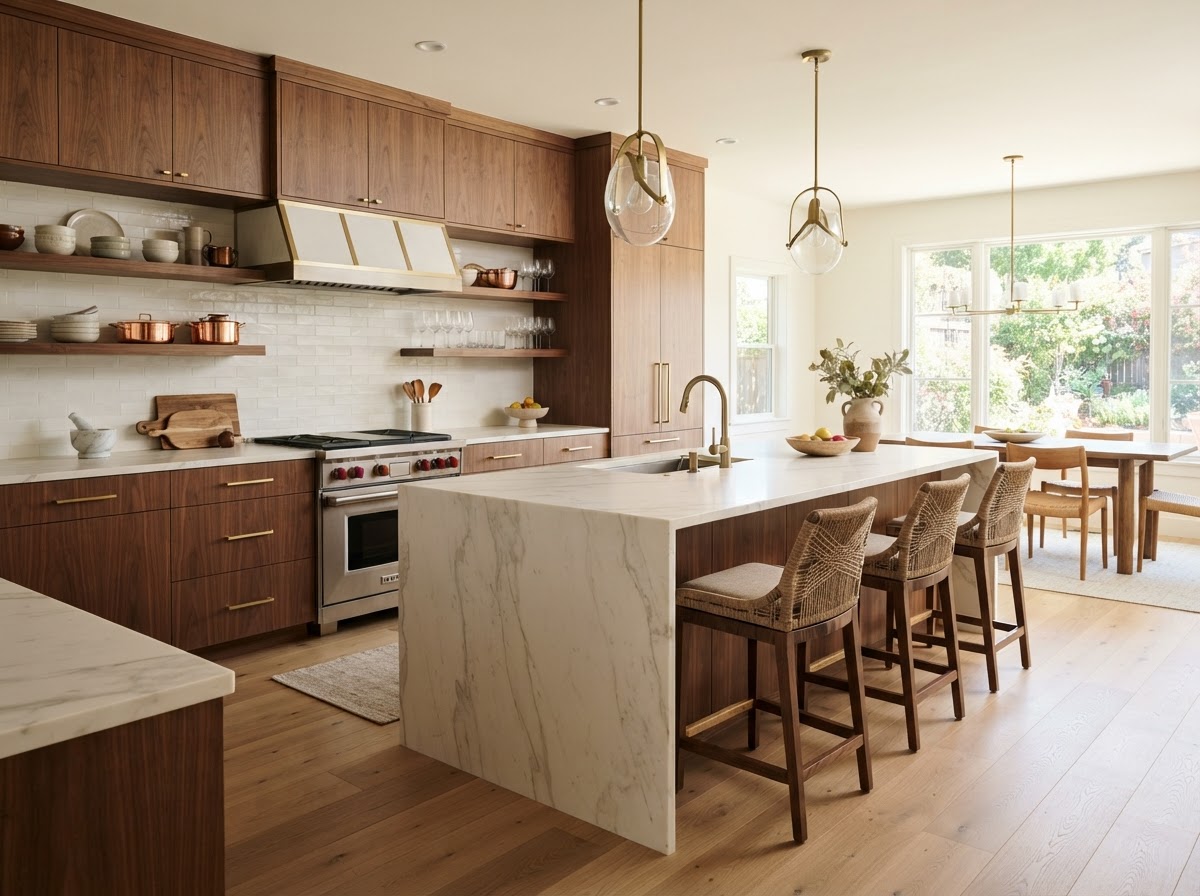
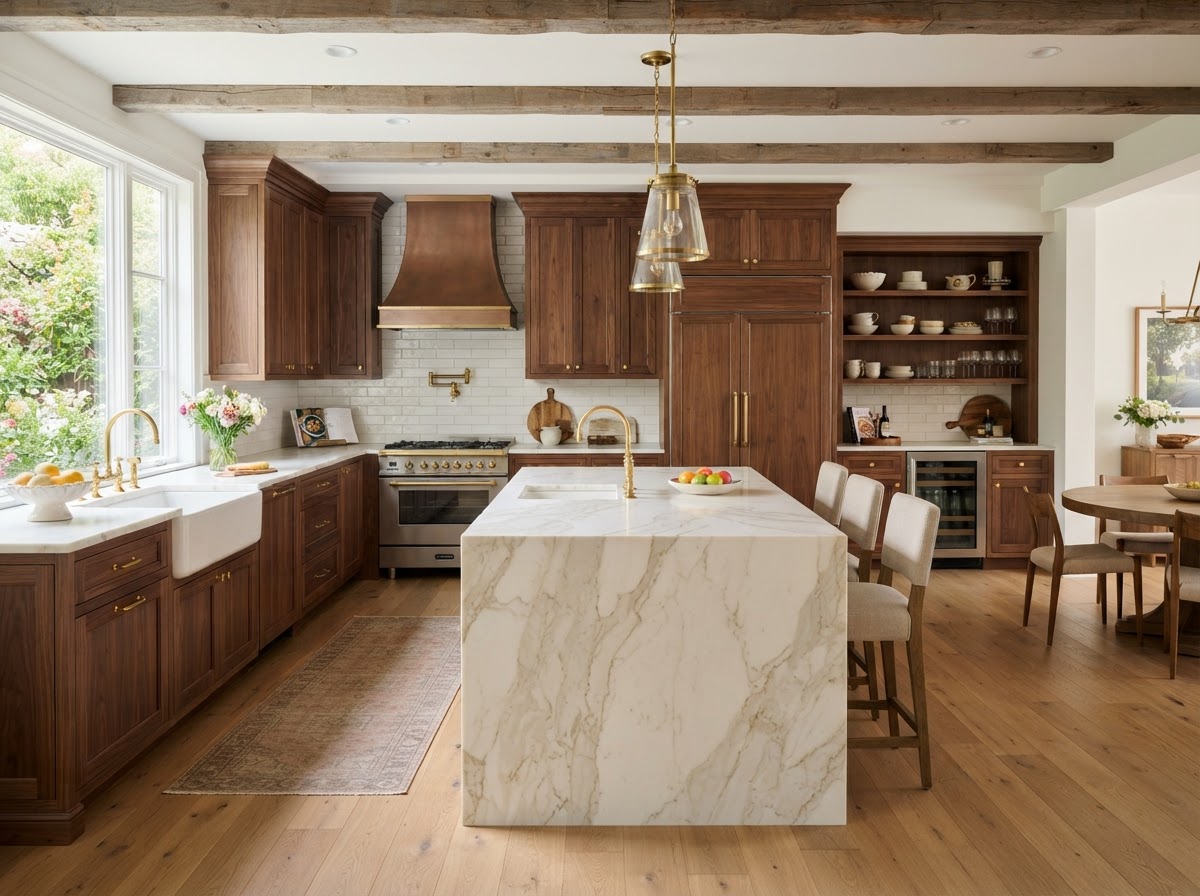
Not every surface needs the premium treatment. Many homeowners get the best value by spending on the high-visibility surfaces (countertops, key cabinetry) and choosing a practical level of finish elsewhere.
4. Add a contingency
Remodeling frequently uncovers something unexpected behind a wall or under a floor. A contingency line keeps those surprises from blowing up the budget.
5. Get a real estimate
Once your scope and priorities are clear, the most useful number comes from an estimate based on your actual home and goals. Matti Construction LLC serves Commerce, Rochester, and surrounding Michigan communities and can help you turn a plan into a realistic budget.
For a limited time, take 15% OFF all interior remodeling plus free countertop installation.
Ready to start?
Tell Matti Construction LLC about your project and get a free estimate — plus 15% OFF interior remodeling and free countertop installation.
Frequently asked questions
How do I set a remodeling budget?+
Start with scope rather than a number. Define what you're changing, rank priorities, choose finish levels deliberately, and add a contingency for surprises. Then get an estimate based on your actual project.
How much contingency should a remodeling budget include?+
A contingency is wise because remodeling often reveals unexpected conditions. The exact amount depends on the age of the home and the scope of work — your contractor can help you set it realistically.